Memecoins have been a part of the crypto landscape since its inception but gained massive success in early 2021 as the bull market emerged. These digital tokens, often based on internet memes or cultural references, have captured the imagination of crypto enthusiasts and traders alike. Their popularity has ebbed and flowed with market cycles, and they have become a significant component of the broader Web3 ecosystem.
In the world of Web3, where cycles dictate market movements, we observed a notable pattern in 2021: a surge in memecoin activity preceded one of the biggest bull rallies in digital assets to date. This pattern led many to speculate about the relationship between memecoins and the broader market, especially in how they might influence or signal the movements in other digital assets.
This begs the question: Have things changed?
Table of Contents
Tracking the Memecoin Volume
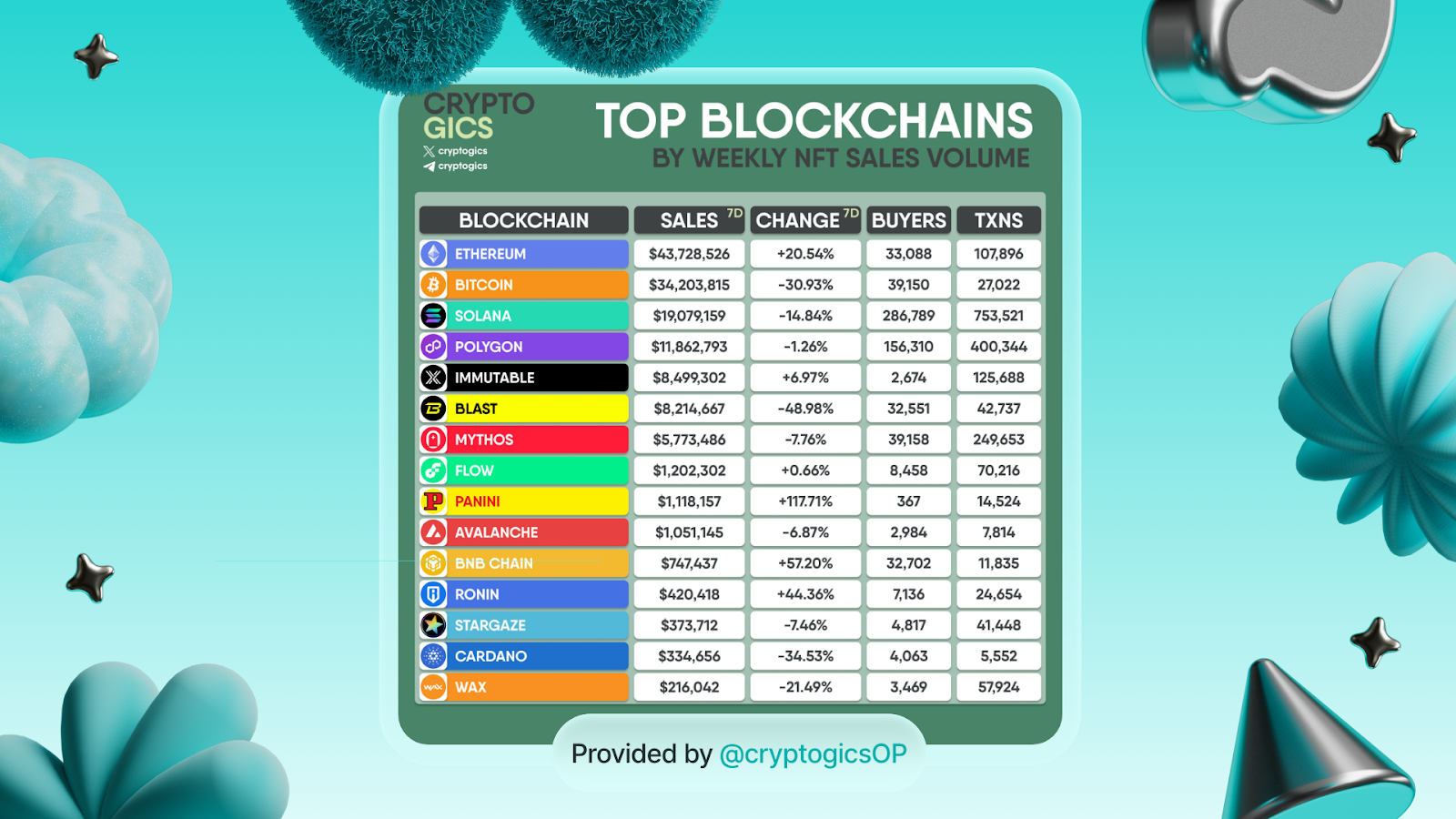
To understand the current state of the market, we turned to data provided by Cryptogics OP, which analyzed the total volume of digital asset transactions across all blockchains over the last seven days. The findings highlight a familiar trend: Ethereum continues to dominate the landscape with approximately $10,000 in sales, maintaining its position as the leading blockchain for digital assets. Following Ethereum, Bitcoin ordinals and Solana hold their positions, albeit with a significant margin between them and Ethereum.
Interestingly, Blast ranks sixth in terms of volume, reflecting a notable decline in activity. This drop in volume has been significantly influenced by Blur farmers, who are the primary drivers of trading volume. These traders focused on quick flips and short-term gains, have contributed to a drying up of trading activity on platforms like Blast, which rely heavily on sustained engagement from a broad user base.
For more insights, you can check out our latest article on Blast, where we delve deeper into the factors affecting this platform’s performance.
Are NFTs Dead?
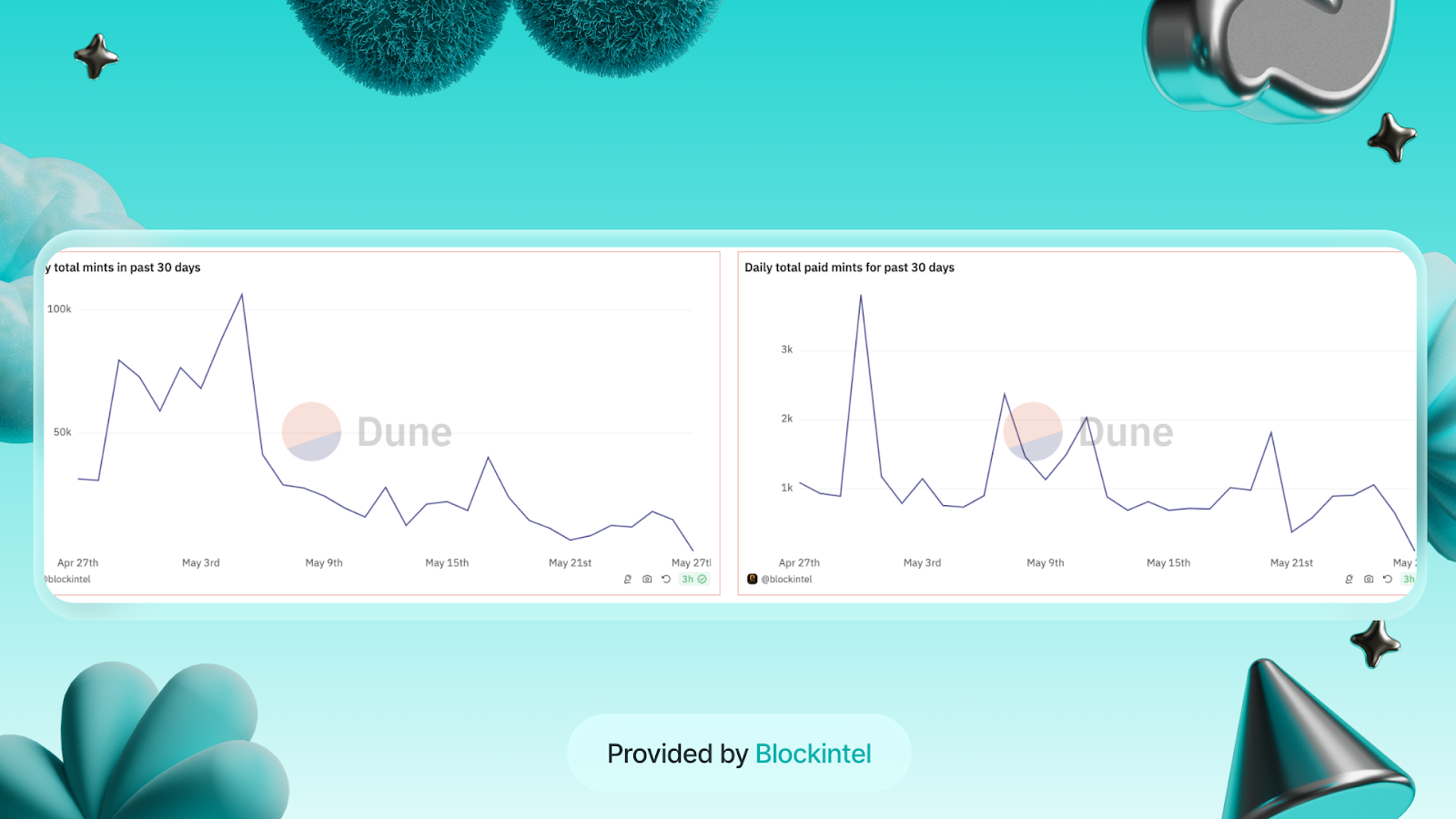
The short answer is no. Although the digital asset ecosystem has slowed down, it’s far from dead. Market trends are often cyclical, and the current slowdown may be a natural part of the cycle rather than a sign of a permanent decline. Recent statistics reveal a dramatic drop in new mints—from an all-time high of 106,000 to just 2,100 in the last 30 days. This sharp decline is a stark reminder of the market’s volatility and the challenges that come with launching new projects.
The market has demonstrated its brutality towards new collections, with users’ attention spans being short and everyone chasing the newest, shiny objects that promise quick returns. This environment has made it difficult for new entrants to gain traction unless they offer something truly unique or innovative. However, this doesn’t mean the market is devoid of opportunities; rather, it suggests a shift towards more discerning and value-driven participation.
NFT Marketplace Activities
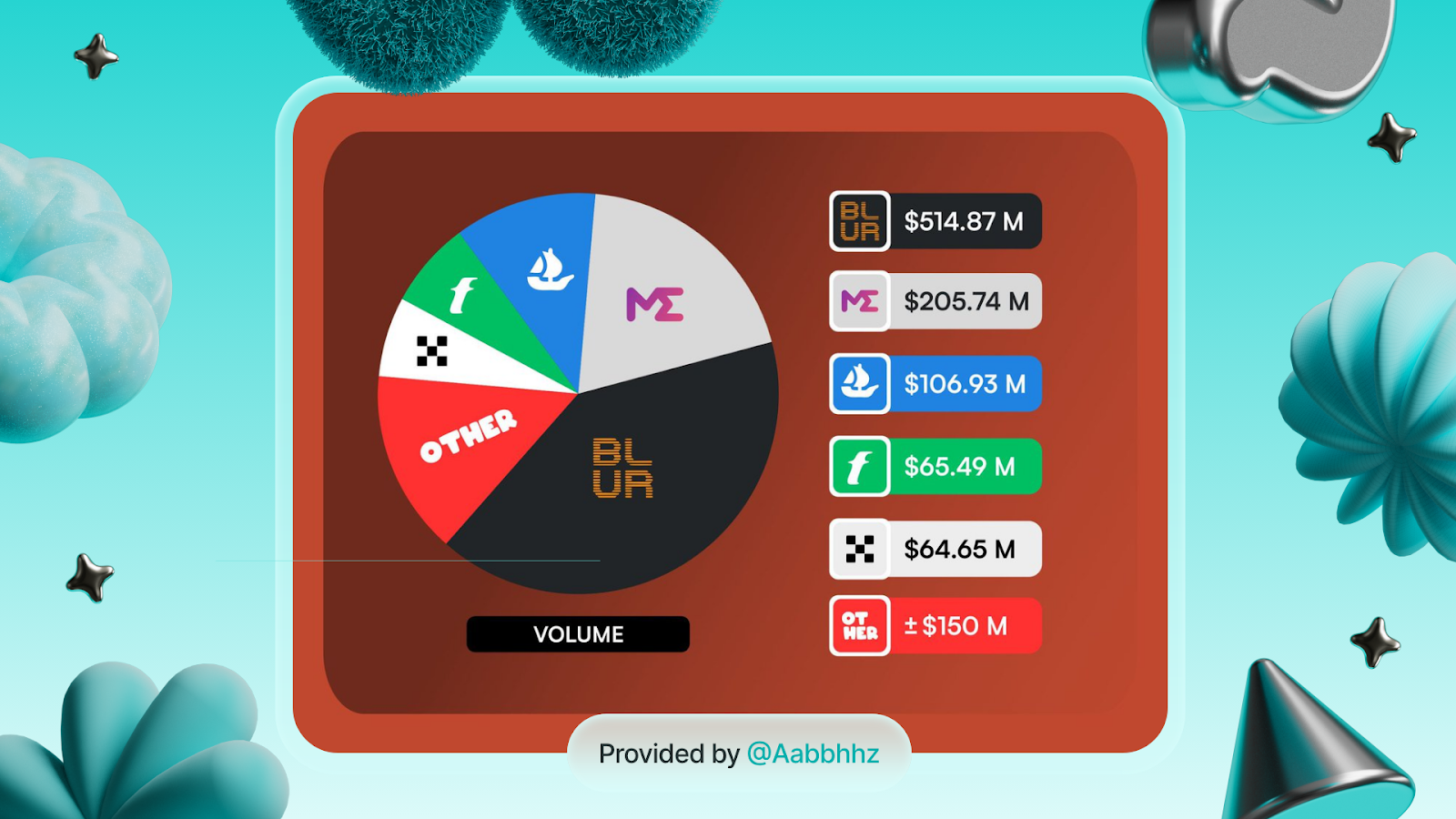
In a 30-day volume comparison of the top digital asset marketplaces provided by Aabbhhz, Blur continues to dominate trading volume, outperforming OpenSea by five times. This dominance has been attributed to Blur’s aggressive incentive programs and its ability to attract high-frequency traders who thrive on quick transactions. In contrast, OpenSea, once the undisputed leader, has taken minimal action to change its circumstances, resulting in a significant loss of market share.
Magic Eden, another prominent marketplace, trails behind due to its accessibility across multiple blockchains, the launch of new tokens, and its user-friendly interface. Despite its lower volume compared to Blur, Magic Eden’s multi-chain approach and continuous innovation keep it relevant in the ever-competitive market.
Leading NFT Collections
There hasn’t been much change in the leading digital asset collections. According to a graphic provided by pnxgrp, depicting 24-hour volumes as of May 23rd, familiar names like Azuki, BoredApe, Mocaverse, and Pudgy Penguins continue to dominate the scene. These collections have solidified their positions as blue chips within the digital asset ecosystem, known for their strong communities, consistent market performance, and cultural impact.
For more information on these collections and why they are considered blue chips, refer to our detailed article on the top five digital assets to buy this April.
A pleasant surprise in the marketplace has been FantasyTop, a protocol on Blast where users can buy, sell, and trade virtual cards representing popular crypto influencers. This innovative approach to digital assets introduces a new layer of gamification and community engagement, attracting both seasoned traders and newcomers alike.

Will NFTs or Memecoins Dominate Attention?
If history is any indicator, the answer is both! Typically, digital assets start to gain traction in the market once the memecoin frenzy begins to wane. With thousands of memecoins launching daily and traders seeing substantial returns—with recent all-time highs like $PEPE reaching a $7 billion market cap—the scene is set for a resurgence in digital assets.
Memecoins will always capture the adventurous spirit of traders, offering the allure of quick profits and the thrill of participating in viral trends. However, as the perceived value of many digital asset projects becomes apparent, money will naturally flow back into the ecosystem, particularly into projects that demonstrate long-term potential and utility.
For now, it’s essential to stay patient, trust your instincts, and utilize Cyan for accessing liquidity on your digital assets or our Buy Now, Pay Later feature to capitalize on those that you believe will lead the next cycle. By staying informed and strategically positioning yourself, you can navigate the market cycles and take advantage of the opportunities that arise.